Rising water from a river, creek, or flash flood is never clean. When it pulls back, it leaves mud, debris, and bacteria in every surface it touched. Flood cleanup means removing contaminated materials, sanitizing what stays, and then drying the structure.
One free call connects you with an independent local specialist. Areas served include zip codes 10169 10168 10167 10165 10162 10282 10280 10040 10044 10271 10279 10278 10075 10103 10028 10029 10026 10027 10024 10025 10022 10023 10020 10021 10152 10153 10154 10128 10004 10005 10006 10007 10001 10002 10003 10009 10170 10171 10172 10173 10174 10177 10039 10038 10035 10034 10037 10036 10031 10030 10033 10032 10065 10069 10199 10119 10115 10112 10110 10111 10019 10018 10013 10012 10011 10010 10017 10016 10014 10008 10041 10043 10055 10060 10081 10087 10090 10101 10102 10104 10105 10106 10107 10108 10109 10113 10114 10116 10117 10118 10120 10121 10122 10123 10124 10125 10126 10129 10130 10131 10132 10133 10138 10150 10151 10155 10156 10157 10158 10159 10160 10163 10164 10166 10175 10176 10178 10179 10185 10203 10211 10212 10213 10242 10249 10256 10258 10259 10260 10261 10265 10268 10269 10270 10273 10274 10275 10276 10277 10281 10285 10286.

We are a referral line, not a contractor. Calls are routed to independent local pros around Manhattan who handle Category 3 floodwater safely and document every step for your flood claim.
Expect full PPE and hospital-grade disinfectants, because floodwater carries sewage, fuel, and bacteria.
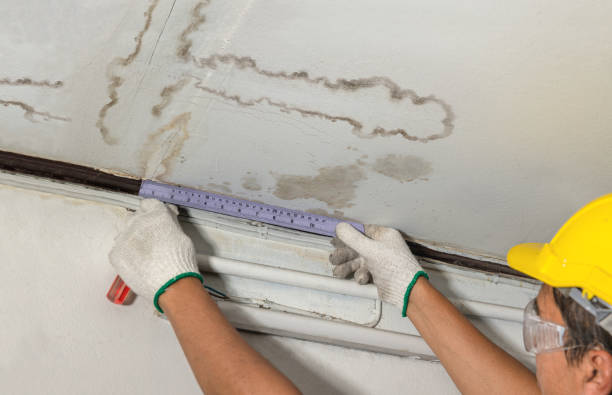
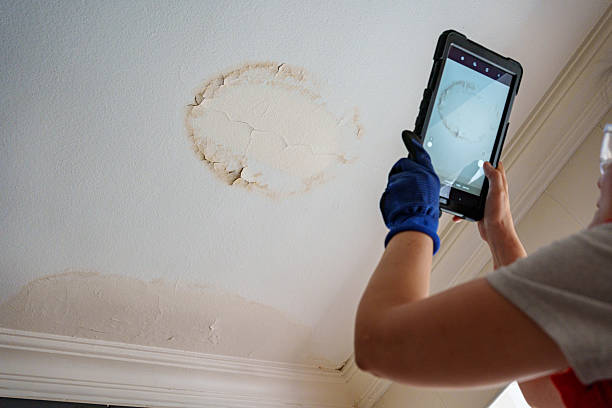
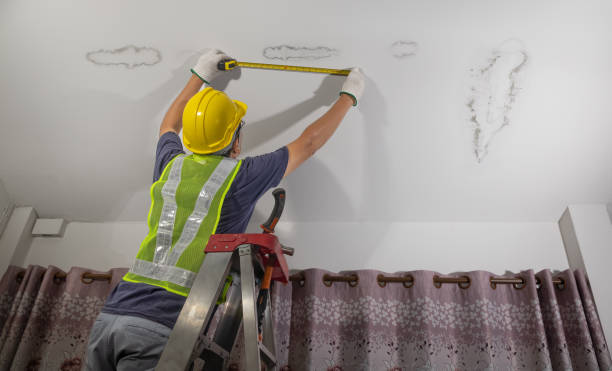
Flood claims often run through a separate policy. Detailed photos, flood line measurements, and removal logs help the claim move.
After big floods, storm chasers appear. Ask any contractor for license and insurance proof before work starts.
You get a written estimate for muck-out, removal, sanitizing, and drying before work begins.

Unlike a clean-water leak, a flood requires mud removal, demolition below the waterline, and full sanitizing before the structure can be dried.

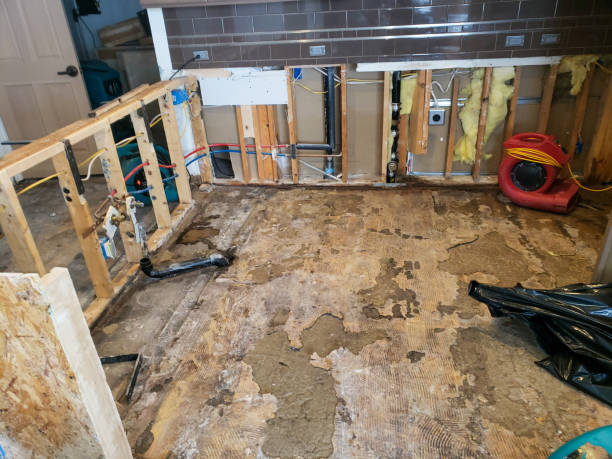
Crews shovel and squeegee silt off floors, haul debris to a dumpster, and pressure wash hard surfaces so nothing contaminated is left behind.
Drywall, insulation, and baseboards are typically removed at least a foot or two above the visible flood line, since water wicks higher than it looks.
Every exposed surface is cleaned and treated with an antimicrobial before drying starts.
Once the building is cleaned out, air movers and dehumidifiers run until framing and slab readings show the structure is dry enough to rebuild.
Soft items soaked in floodwater are usually discarded, while hard goods may be cleaned. Everything is listed for the adjuster.
Tell the dispatcher the water depth and whether it is still inside. That decides which crew is best suited.
A local contractor calls with an arrival estimate. After regional flooding, demand is high, and they will be honest about timing.
Expect a safety check, flood line measurements, and a written estimate before work begins.
The home is cleaned out, sanitized, and dried, leaving it ready for rebuilding.
The sooner it is cleaned, the less mold you fight later.
Fourteen inches of river water on the first floor. They mucked it out, cut the walls three feet up, disinfected, then started drying.
Paul and Dee A.River flooding, first floorThey measured and photographed the flood line in every room. My flood adjuster said it was the cleanest file he had seen all week.
Imani C.Flash flood, flood insurance claimThey were honest about what could not be saved and helped document all of it for the insurance company.
Rob G.Flood-damaged contentsAfter the flood, strangers were knocking on doors. This pro was local, licensed, and wrote the price down before starting.
Teresa M.Post-storm flood cleanup

It can be. Outside floodwater is Category 3 and may carry sewage, chemicals, and bacteria. If you clean any of it, wear boots, gloves, eye protection, and a respirator, and keep children away.
Most standard homeowners policies exclude flooding from outside water. Coverage usually comes from a separate flood policy. Check with your agent about which applies to you.
Typically one to two feet above the water mark to catch wicking. Deeper floods may require full-height removal.
Solid wood and metal furniture can often be cleaned and disinfected. Upholstered pieces, mattresses, and particleboard that sat in floodwater usually cannot.
As soon as the water recedes and it is safe to enter. Mold can start within 24 to 48 hours, and contaminated materials get worse the longer they sit.
No. A Water Damage is a free referral line connecting you with independent, licensed and insured local contractors who perform the work and bill you directly.

Independent flood cleanup contractors in the network work throughout Manhattan, NY, including low-lying zip codes like 10169 10168 10167 10165 10162 10282 10280 10040 10044 10271 10279 10278 10075 10103 10028 10029 10026 10027 10024 10025 10022 10023 10020 10021 10152 10153 10154 10128 10004 10005 10006 10007 10001 10002 10003 10009 10170 10171 10172 10173 10174 10177 10039 10038 10035 10034 10037 10036 10031 10030 10033 10032 10065 10069 10199 10119 10115 10112 10110 10111 10019 10018 10013 10012 10011 10010 10017 10016 10014 10008 10041 10043 10055 10060 10081 10087 10090 10101 10102 10104 10105 10106 10107 10108 10109 10113 10114 10116 10117 10118 10120 10121 10122 10123 10124 10125 10126 10129 10130 10131 10132 10133 10138 10150 10151 10155 10156 10157 10158 10159 10160 10163 10164 10166 10175 10176 10178 10179 10185 10203 10211 10212 10213 10242 10249 10256 10258 10259 10260 10261 10265 10268 10269 10270 10273 10274 10275 10276 10277 10281 10285 10286.
See nearby cities below. After major floods, you will get an honest estimate of how soon help can arrive.