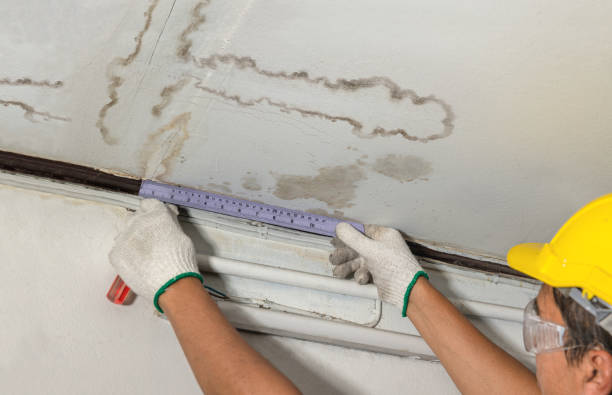
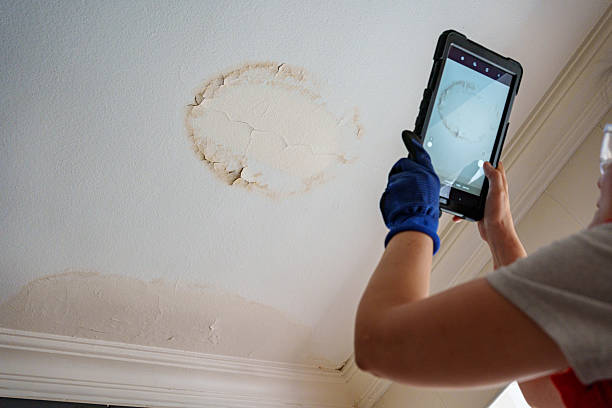
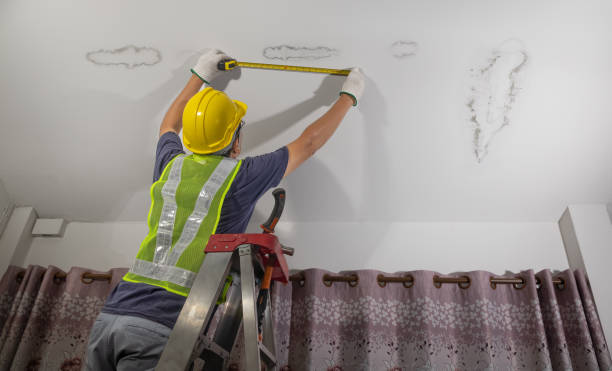
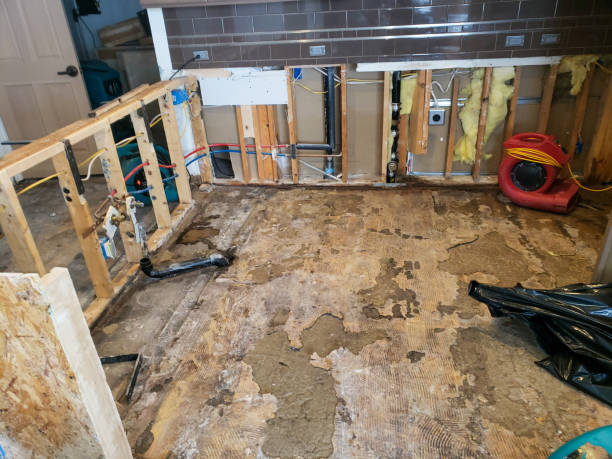
The visible water is gone, the carpet looks fine, and someone told you a couple of fans would finish it off. But the studs behind the drywall are still reading wet, the subfloor is holding moisture, and the house smells a little off. Structural drying is how you get the framing, subfloor, and walls truly dry before anything gets closed up.
Free referral to independent, licensed and insured local pros. Zip codes served include 04401.

Drying is where most do-it-yourself cleanups fail. A Water Damage is a free referral service connecting you with independent, licensed and insured drying contractors near Veazie who use psychrometrics, not guesswork, to decide where equipment goes and when it comes out.
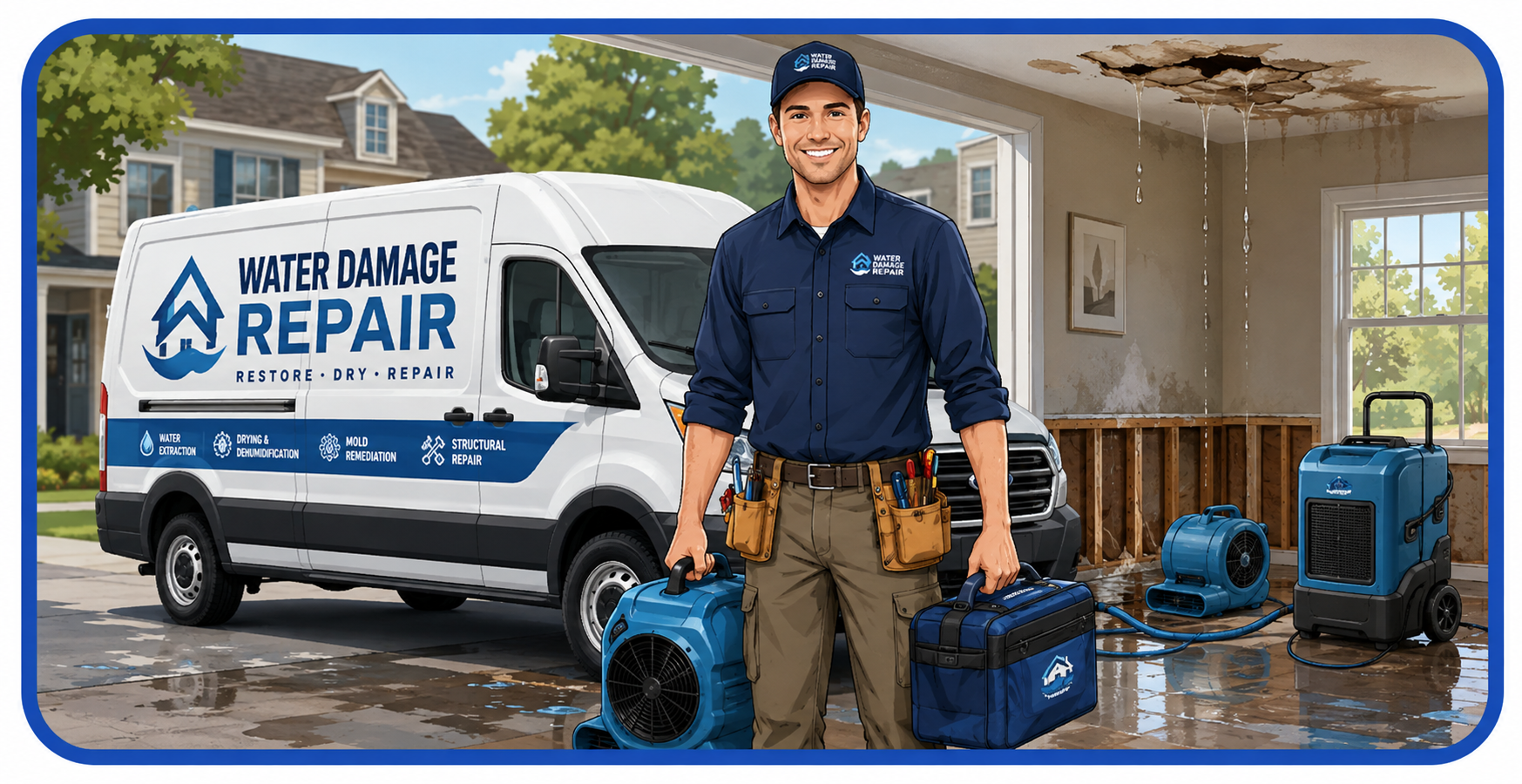
Low-grain refrigerant dehumidifiers pull moisture to levels standard units cannot reach. Desiccant units handle cold spaces and dense materials. Air movers are placed at specific angles to sweep moisture off wet surfaces.
The contractor records temperature, relative humidity, GPP, and material moisture each day, then adjusts equipment based on the numbers.
Ask for proof of license and insurance before work begins.
You will see equipment day rates and an estimated drying timeline before setup.

The goal is simple: get every wet material back to the moisture level of similar dry materials in the house, and prove it with readings.

Meters and thermal imaging trace water into hidden spots before drying begins.
Plastic containment creates a smaller drying chamber, so dehumidifiers work on a defined space and drying moves faster.
Small holes behind baseboards let injection systems push dry air into wall cavities, which can avoid tearing out drywall that is otherwise sound.
Hardwood and subfloors are dried with mats and controlled airflow to reduce cupping.
Equipment stays until wet materials match dry standard readings. The final log becomes part of your insurance file.
Tell the dispatcher when the leak happened and what has been done so far.
A local contractor calls back with an arrival time and brings meters, a thermal camera, and an initial set of drying equipment.
You get a moisture map, a dry standard baseline, and a written drying plan with costs.
Drying continues with daily monitoring until readings confirm the job is done.
Closing up wet framing is how mold starts.
A week of box fans did nothing. The pro found wet framing with infrared and dried it properly in four days.
Laura F.Hidden wet framing after leakWall injection drying saved our drywall. Just a few small holes behind the baseboards.
Kevin Y.Wall cavity dryingThe daily drying logs were detailed and made the insurance claim straightforward.
Mariah S.Insurance drying documentationThey saved our cupping hardwood with floor mats and patient drying.
Henry L.Hardwood floor drying

Most jobs take three to five days. Dense materials like hardwood, plaster, and concrete can take a week or longer.
Household units move far less air and cannot reach the low humidity levels needed to pull moisture out of framing and subfloors. Drying slowly also gives mold time to grow.
It is the baseline moisture reading of dry materials in your house. Wet materials are dried until they match.
Grains per pound, or GPP, measures how much water vapor is in the air. Lowering GPP in the drying area speeds evaporation from wet materials.
Yes. Air movers and dehumidifiers are noisy and add heat. Most people can stay home, but you may want to close doors to the drying area at night.
No. We connect you with independent local pros. Confirm their license and insurance before work starts.

Independent drying specialists in the network serve Veazie, ME and nearby zip codes like 04401.
See nearby cities in the list below.