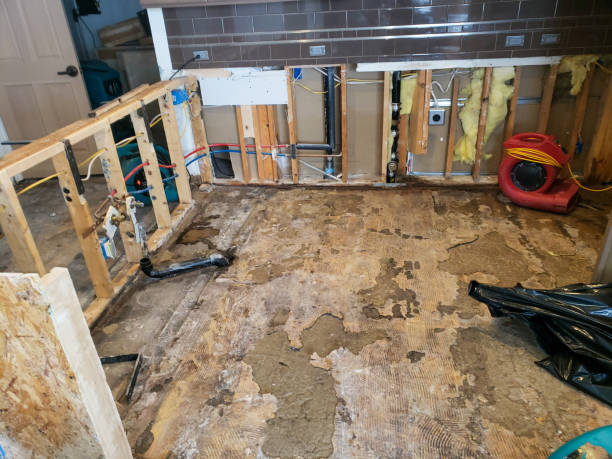
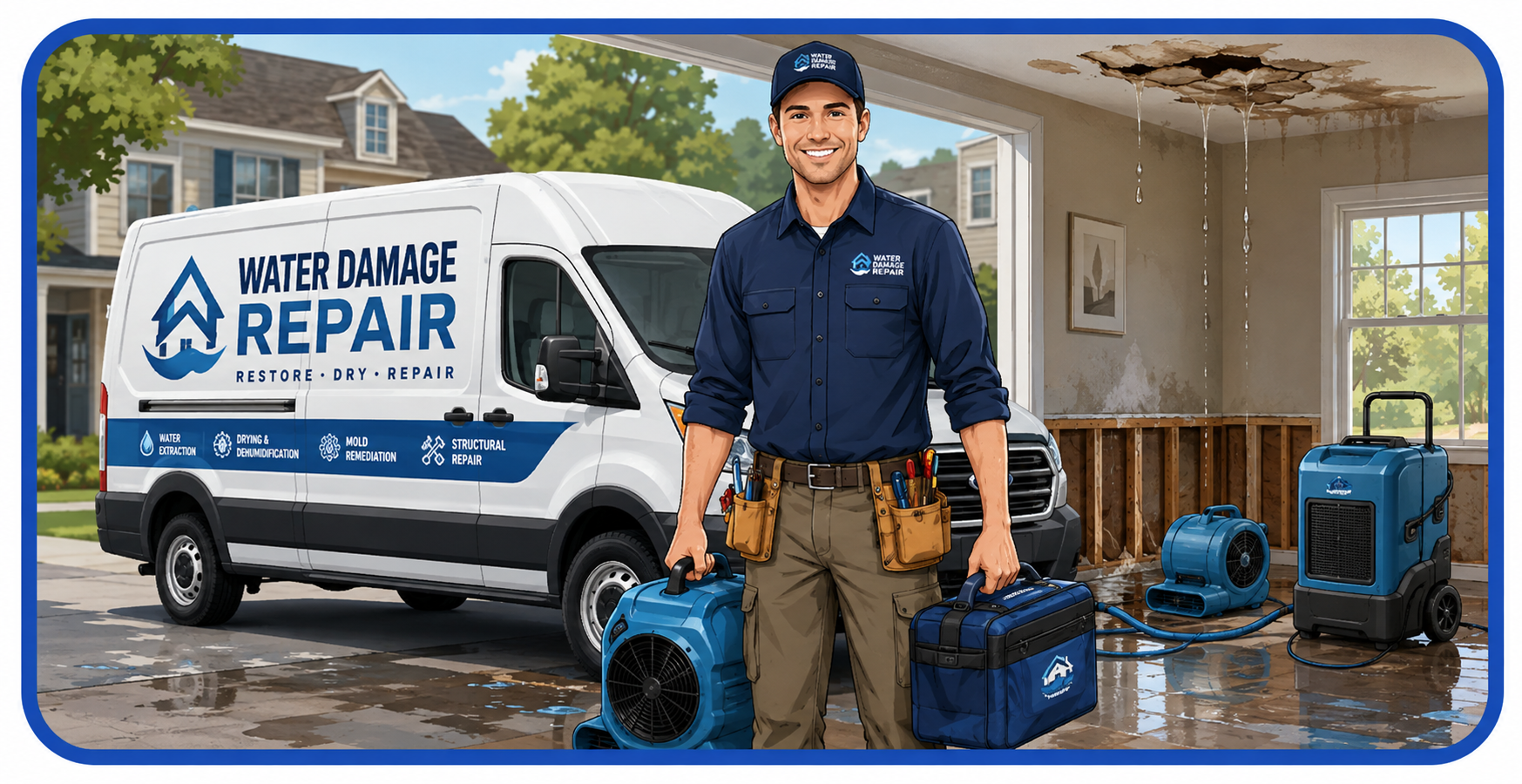
The washing machine hose split and the carpet in the hallway and two bedrooms is soaked edge to edge. The surface looks drier after an hour with a wet vac, but the pad and subfloor are still holding gallons. Professional extraction pulls that hidden water out before it turns into a drying problem that lasts for weeks.
Free referral to independent, licensed and insured local pros. Zip codes served include 30673.

Extraction is the single step that most affects how long drying takes. A Water Damage is a free referral service that connects you with independent, licensed and insured extraction pros near Washington who bring the right equipment for your floors.
Truck-mounted units deliver far more suction than portables and reach through long hose runs. Portable extractors handle high-rises and spots trucks cannot reach.
Contractors carry their own licensing and insurance. Confirm both with the pro on arrival.
You get a written price before extraction starts. Many pros price by square foot or by room, so you know the total up front.
Speed matters because water keeps spreading. Pros near Washington can usually arrive fast.

Carpet, hardwood, tile, and concrete each hold water differently, so the pro picks tools based on what is wet and what kind of water it is.

For large areas, a truck-mounted unit with strong vacuum lift pulls water through long hoses, removing far more per pass than any portable machine.
Weighted tools press down on the carpet and draw water out of the pad underneath, which can save the carpet.
Specialized floor mats connected to high-pressure vacuum draw moisture up through the boards and the gaps between them, giving solid hardwood a real chance at survival.
Water category decides what stays. Clean water may only cost you the pad, while sewage or floodwater means the carpet goes too.
The pro takes moisture meter readings before and after extraction so you can see the difference and the drying phase starts from a documented baseline.
Let dispatch know which rooms and floor types are wet, so the right extraction equipment gets sent.
The contractor calls back with an arrival time and may ask you to clear a path for hose lines.
The pro identifies the water category, maps the wet area with meters, and gives you a written price before running the extractor.
After extraction, readings are taken again and drying equipment is placed to finish the job.
Real extraction can save carpet that looks ruined.
The washer hose let go and soaked three rooms. They used a stand-on tool that pushed water out of the pad. We kept the carpet and only replaced the pad in one room.
Kayla J.Washing machine hose failureI had been running a wet vac for hours. The pro got more water out in his first pass than I did all afternoon.
Derek F.Laundry room overflowHardwood was starting to cup from a dishwasher leak. The suction mats saved it.
Nora B.Dishwasher leak, hardwood kitchenThey took readings before and after so I could actually see what came out. Price was written down before they started.
Samuel O.Water heater leak, carpeted den

A wet vac skims surface water. Professional extractors have much stronger suction, and weighted tools press water out of the pad and subfloor, which shortens drying and reduces mold risk.
Clean water and fast extraction give carpet a good chance. Contaminated water means it should go.
Category 1 is clean water from a supply line. Category 2 is gray water from appliances or overflows and contains contaminants. Category 3 is grossly contaminated, like sewage or outside floodwater.
Extraction for a few rooms usually takes one to three hours. Drying afterward takes several days.
Yes. Specialized suction mat systems pull water up through the boards. Solid hardwood often recovers, while engineered and laminate floors are harder to save.
No. We connect you with an independent local pro. Please confirm their license and insurance before work starts.

Calls from Washington and zip codes such as 30673 are routed to extraction contractors working nearby.
See nearby cities in the list below.