The creek came over its banks overnight and pushed a foot of brown water through the ground floor. Now it is gone, but it left silt on the floors, a waterline on the walls, and a smell that tells you this is not clean water. Floodwater cleanup is a contamination job first and a drying job second.
One free call connects you with an independent local specialist. Areas served include zip codes 60035 60037.

We are a referral line, not a contractor. Calls are routed to independent local pros around Highland Park who handle Category 3 floodwater safely and document every step for your flood claim.
Expect full PPE and hospital-grade disinfectants, because floodwater carries sewage, fuel, and bacteria.
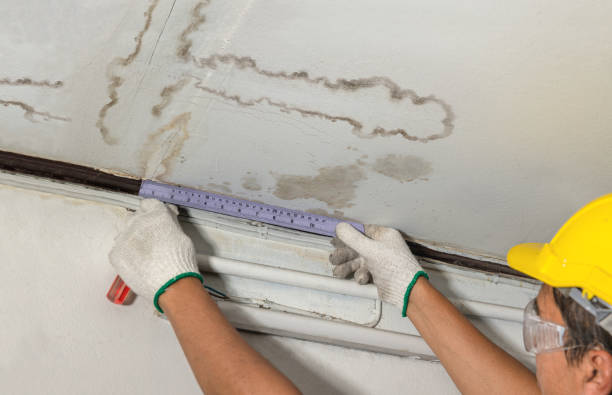
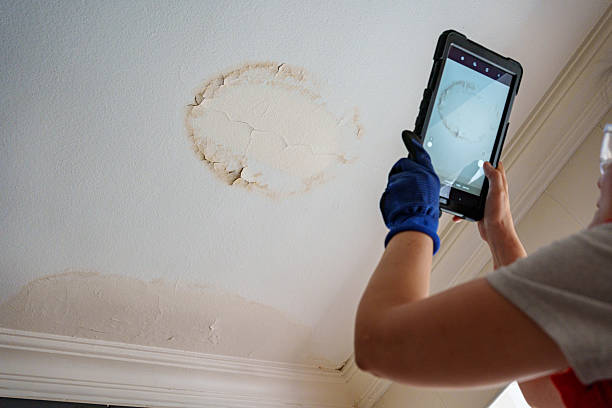
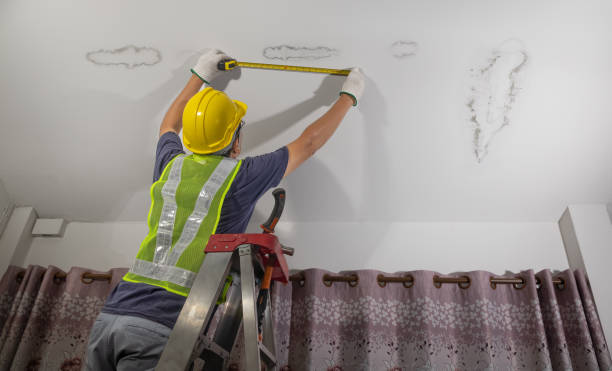
Flood claims often run through a separate policy. Detailed photos, flood line measurements, and removal logs help the claim move.
Every contractor runs an independent, licensed and insured business. After storms, out-of-town operators often show up, so confirm credentials before signing anything.
You get a written estimate for muck-out, removal, sanitizing, and drying before work begins.

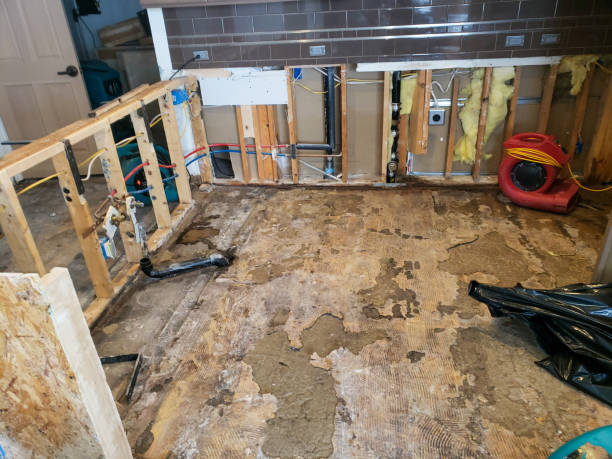
Unlike a clean-water leak, a flood requires mud removal, demolition below the waterline, and full sanitizing before the structure can be dried.

Silt, mud, and debris are scraped out and hauled away, then hard surfaces are washed down.
Drywall, insulation, and baseboards are typically removed at least a foot or two above the visible flood line, since water wicks higher than it looks.
Framing, slabs, and any salvaged surfaces are scrubbed and treated with EPA-registered antimicrobial products to kill bacteria and slow mold growth.
Once the building is cleaned out, air movers and dehumidifiers run until framing and slab readings show the structure is dry enough to rebuild.
Soft items soaked in floodwater are usually discarded, while hard goods may be cleaned. Everything is listed for the adjuster.
Call +1-877-637-9008 and say how high the water got, whether it has receded, and if the power is off. That helps route you to a pro equipped for floodwater.
A local contractor calls with an arrival estimate. After regional flooding, demand is high, and they will be honest about timing.
Expect a safety check, flood line measurements, and a written estimate before work begins.
Mud and damaged materials come out, surfaces are disinfected, and drying runs until the structure is ready for repairs.
The sooner it is cleaned, the less mold you fight later.
Fourteen inches of river water on the first floor. They mucked it out, cut the walls three feet up, disinfected, then started drying.
Paul and Dee A.River flooding, first floorEvery room had flood line photos and measurements. The adjuster said it made his job easy.
Imani C.Flash flood, flood insurance claimI wanted to keep the couch. The contractor explained why floodwater makes that a bad idea and helped me list everything for the claim.
Rob G.Flood-damaged contentsAfter the flood, strangers were knocking on doors. This pro was local, licensed, and wrote the price down before starting.
Teresa M.Post-storm flood cleanup

Floodwater can contain sewage and chemicals. Use full protective gear, or leave it to a pro equipped for contaminated water.
Usually not under a standard policy. Flood coverage typically requires a separate flood insurance policy, so talk to your agent.
Usually at least a foot or two above the visible flood line, because water wicks upward. In deeper floods, entire walls may come out.
Hard furniture may survive with cleaning. Soft and porous items usually need to be discarded.
As soon as the water recedes and it is safe to enter. Mold can start within 24 to 48 hours, and contaminated materials get worse the longer they sit.
No. A Water Damage is a free referral line connecting you with independent, licensed and insured local contractors who perform the work and bill you directly.

Calls from Highland Park and zip codes such as 60035 60037 are routed to flood cleanup pros working locally.
See nearby cities below. After major floods, you will get an honest estimate of how soon help can arrive.